Orthodontic concerns are more common than many people realize. In fact, many smiles develop with some degree of bite misalignment or uneven tooth positioning, a condition known as malocclusion. These issues can affect more than appearance, they may also influence chewing, speech, oral hygiene, and long-term dental health.
At Obaisi Orthodontics in Chicago, Dr. Noor Obaisi evaluates each patient carefully to identify the underlying cause of orthodontic concerns. Bite problems may be inherited or develop from habits such as thumb sucking, injury, early loss of baby teeth, or other dental conditions. With modern orthodontic treatment and customized care, these concerns can often be corrected to improve both function and smile aesthetics.
Below are some of the most common orthodontic problems we treat.
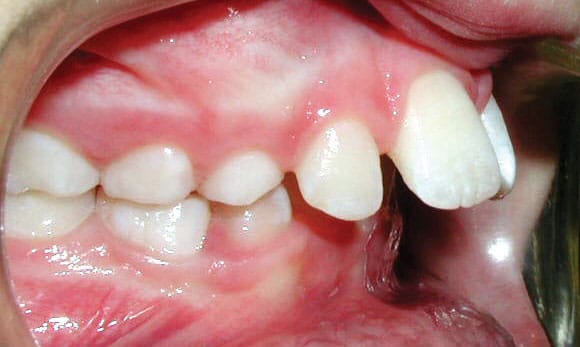
Upper Front Teeth Protrusion
Protrusion occurs when the upper front teeth extend too far forward, or the lower teeth sit too far back. This condition can make the front teeth more noticeable and may affect how the lips close naturally. In some cases, protruding teeth are also more vulnerable to accidental injury during sports or everyday activities.
Orthodontic treatment can help reposition the teeth and improve bite balance, creating a smile that is both healthier and more naturally aligned.
Overbite
An overbite occurs when the upper front teeth overlap the lower front teeth more than normal. While a slight overlap is common, a deep overbite may cause the lower teeth to press against the roof of the mouth or lead to excessive pressure on certain teeth.
If left untreated, severe overbites may contribute to tooth wear, jaw discomfort, or uneven bite forces. Orthodontic treatment can help bring the teeth into better alignment and improve overall bite function.
Crossbite
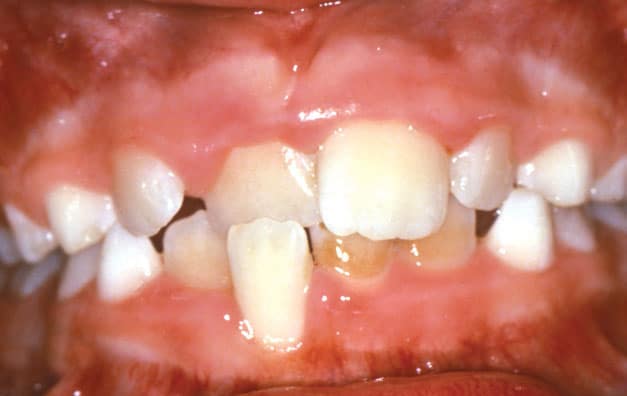
A crossbite occurs when some of the upper teeth sit inside the lower teeth instead of slightly outside them. This misalignment can affect both the front teeth and the back teeth and may cause the jaw to shift when biting or chewing.
Over time, untreated crossbites may lead to uneven tooth wear or abnormal jaw growth. Orthodontic treatment helps guide the teeth into a healthier position and supports proper jaw alignment.
Openbite
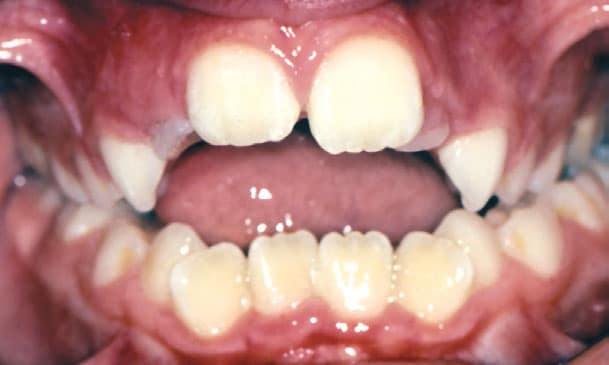
An open bite occurs when the upper and lower front teeth do not overlap when the mouth is closed. This means the teeth may not touch properly during chewing, which can make biting certain foods more difficult.
Open bites are sometimes associated with habits such as thumb sucking or tongue thrusting. Orthodontic treatment helps close the gap between the teeth and improve both bite function and speech patterns.
Crowding
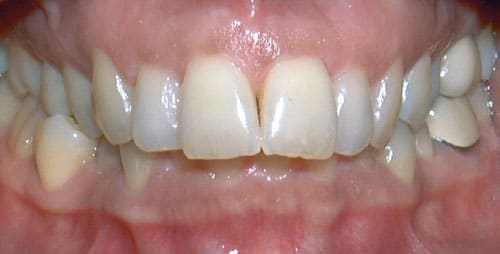
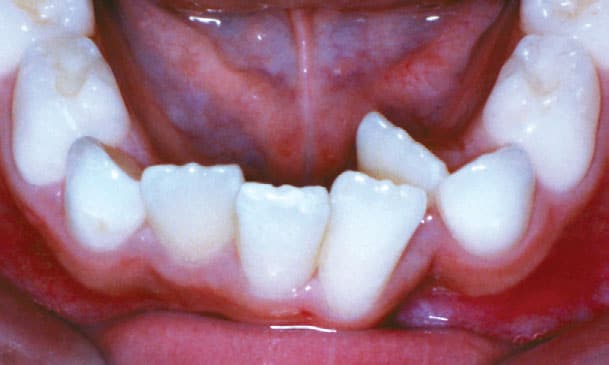
Crowding occurs when there isn’t enough space in the jaw for teeth to erupt in proper alignment. As a result, teeth may overlap, rotate, or become misaligned.
Crowded teeth can make brushing and flossing more difficult, increasing the risk of cavities or gum concerns. Orthodontic treatment can help create the space needed for teeth to align properly and improve overall oral health.
Spacing
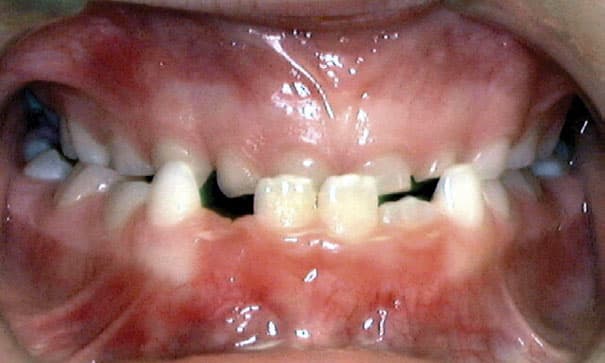
Spacing refers to gaps or spaces between teeth, which may occur when teeth are smaller than the available jaw space or when teeth are missing. While some spacing concerns are cosmetic, larger gaps can sometimes affect bite function.
Orthodontic treatment can gradually close these spaces or redistribute them evenly to create a more balanced, natural-looking smile.
Underbite
An underbite occurs when the lower jaw extends forward so the lower teeth sit in front of the upper teeth. This bite relationship can affect facial balance and may create difficulty when chewing or speaking.
Depending on the severity, orthodontic treatment may help reposition the teeth and improve bite alignment, supporting healthier jaw function and long-term dental stability.